– “Brain Massage?” –
“The health of your brain is much more about your actions than your age.”
– Dr. Daniel Amen
Massage is often thought of only as a tool for relaxing, finding stress relief, or easing tense and tight muscles. However, when it comes to brain health, massage therapy plays a pivotal role in enhancing mental well-being and cognitive function.
Continue Reading to Learn More
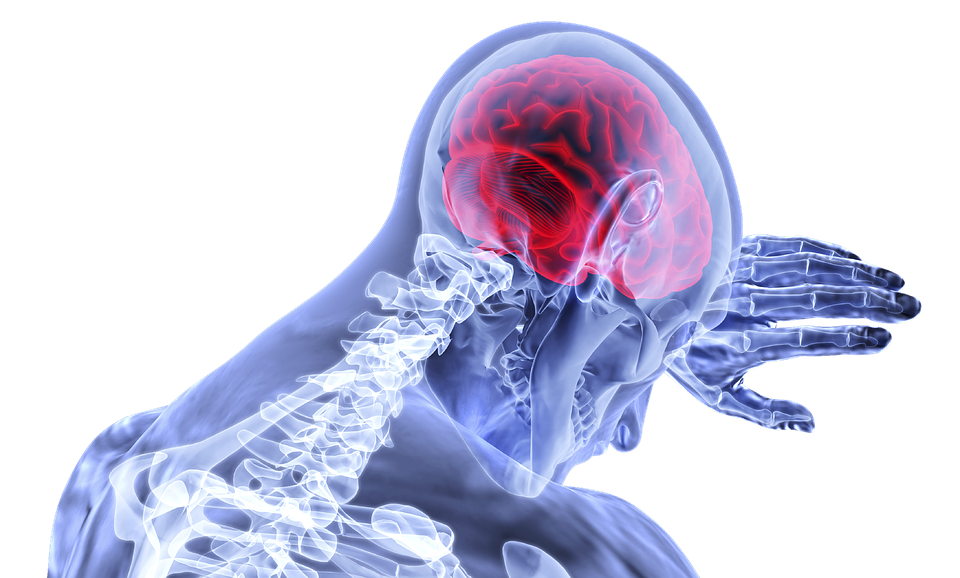
During a deep tissue massage, receptors in the skin and muscles are stimulated and send signals to different areas in the brain. This process not only triggers a response in the sensory nervous system but also promotes relaxation and alleviates muscle tension. When the brain receives these signals, neurotransmitters and proteins are released to benefit the endocrine, nervous, and immune systems. This release includes endorphins, which are natural painkillers, and serotonin, which enhances mood and emotional well-being. Moreover, the improved blood flow can help in the healing of muscle injuries and overall recovery, making deep tissue massage a valuable therapeutic technique for athletes and anyone suffering from chronic pain.
Beyond the messages the brain sends to the body, massage promotes the release of Serotonin, a neurotransmitter that regulates mood, hunger, and sleep, while promoting an overall sense of well-being and contentment. This unique physiological reaction has been shown to significantly enhance mental health, alleviating symptoms of anxiety and depression for many individuals. Furthermore, it helps foster a state of relaxation that can combat stress and tension. In addition to Serotonin, massage also augments the release of other beneficial chemicals such as Dopamine, which is closely associated with the reward center of the brain and plays a vital role in motivation and feelings of pleasure. Lastly, the release of Oxytocin, often referred to as the “love hormone,” is particularly noteworthy; it is also released during moments of physical connection, such as receiving a hug or experiencing other forms of gentle, warm touch, thereby reinforcing social bonds and enhancing emotional well-being.
Cortisol, often referred to as the stress hormone, plays a crucial role in the body’s fight-or-flight response. When cortisol levels are lowered, several positive physiological effects are observed; this reduction helps to ease the burdens of stress, thereby calming the nervous system and promoting a sense of well-being. Additionally, decreased cortisol levels have been linked to enhanced wound healing, as the body is better equipped to repair itself when it is not under the strain of elevated stress hormones. Furthermore, by lowering cortisol, the body also boosts its immunity to viruses, allowing for a more robust defense against infections and diseases. This combination of effects highlights the importance of managing stress effectively, not only for mental health but also for physical resilience and recovery.
Your mental health is everything – prioritize it!
Make the time like your life depends on it, because it does.
– Mel Robbins
Brain Awareness Week is March 11th – 17th
Schedule a Session with us this week to celebrate the brain, and the amazing benefits that bodywork has on it!
Massage isn’t only great for the body; it’s just as powerful for the mind too!
 Heaven Sent Massage of Ellijay